The docuseries explores how the No Homebirth Policy affects the maternal experiences of Aeta mothers in Palauig, Zambales. Introduced in 2008, the policy encourages women to give birth in health facilities with skilled professionals to improve maternal and infant safety. However, structural barriers such as distance, financial limitations, and limited healthcare access continue to shape how women experience childbirth.
Through the stories shared in the docuseries, the experiences of Aeta mothers reveal the complex realities behind maternal healthcare policies. While the No Homebirth Policy has contributed to improving maternal safety, their narratives highlight that it does not fully address deeper challenges such as inaccessible facilities, travel difficulties, and gaps in healthcare support.

By presenting these lived experiences, the project aims to deepen understanding of indigenous maternal health struggles. The stories ultimately show that improving maternal healthcare requires more inclusive systems that consider the realities of remote and indigenous communities, while also encouraging dialogue and youth-driven advocacy through digital platforms.
Travel from Sitio Dampay, Brgy. Salaza to the Palauig Rural Health Unit (RHU) takes about 1 hour, and up to 1.5 hours during traffic. From the RHU, the nearest hospital in Iba, Zambales is about 20 minutes away.
Aeta mothers live in mountainous areas, which makes access to healthcare challenging. Although there are monthly checkups for pregnant women, there are instances when the distance prevents them from traveling down the mountain, causing complications for both mother and baby.
Since 2015, the Palauig Rural Health Unit has had no operational birthing clinic due to licensing requirements, requiring mothers to travel to hospitals in nearby municipalities such as Iba, Zambales or Candelaria, Zambales for delivery.
The Aeta community was chosen as the focus of the project because indigenous mothers are among those most affected by these conditions. Research by Jose, J. et al. (2019) found that many Aeta mothers still give birth at home, often assisted by traditional birth attendants or relatives, due to geographic isolation, limited resources, and strong cultural traditions surrounding childbirth.
Get to know the people who supported the production and made connecting with the community possible.
Ms. Menchie is a midwife from RHU Palauig and served as our main contact person both at the RHU and within the Aeta community of Sitio Dampay, Brgy. Salaza, Palauig, Zambales. She welcomed us into her community, participated in interviews, and guided us on tours of the RHU Palauig birthing clinic (currently under renovation) as well as the Aeta community in Dampay.
Tatay King is the husband of Nanay Rosalie P, one of the Aeta mothers we interviewed. He also served as our guide to the “gasak”, which is about an hour’s hike uphill. (“Gasak” refers to a type of livelihood activity and the land associated with it. Farming the “gasak” is often done as a family or community activity that helps sustain the community.)
Discover stories that provide deeper insight into maternal healthcare, the No Homebirth Policy, and the realities faced by Aeta mothers in Palauig, Zambales.
The Philippines’ No Homebirth Policy aims to make childbirth safer by encouraging hospital deliveries, but for many women, especially in rural and low-income communities, poverty, distance, and cultural traditions make home births unavoidable. Bridging this gap requires more than rules; it calls for accessible, affordable, and culturally sensitive healthcare.
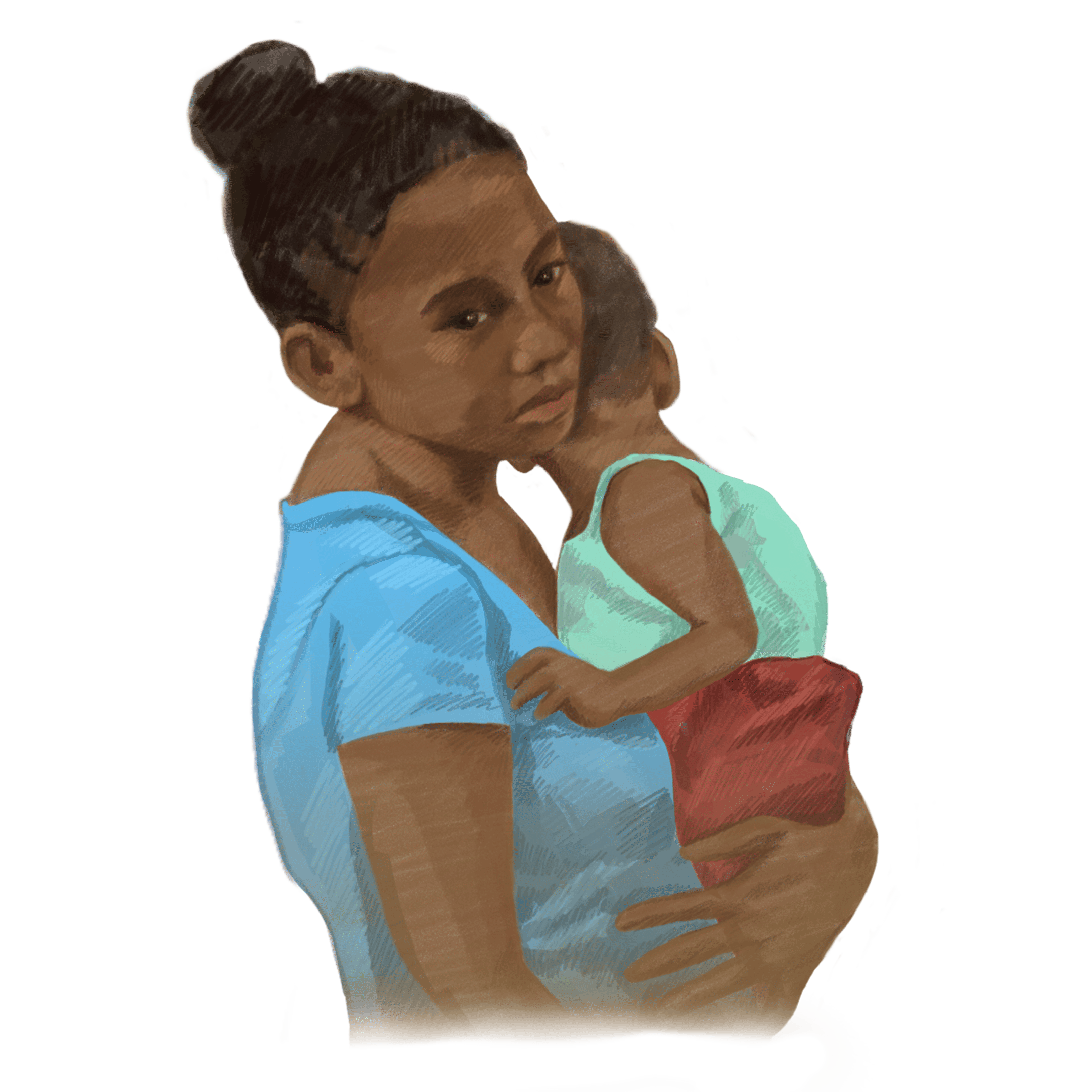
For many Aeta mothers in remote mountain communities, giving birth at home is a matter of necessity, not choice. The journey to distant hospitals can be exhausting, painful, and risky, and labor often comes too quickly to reach them, leaving mothers to deliver where they are.
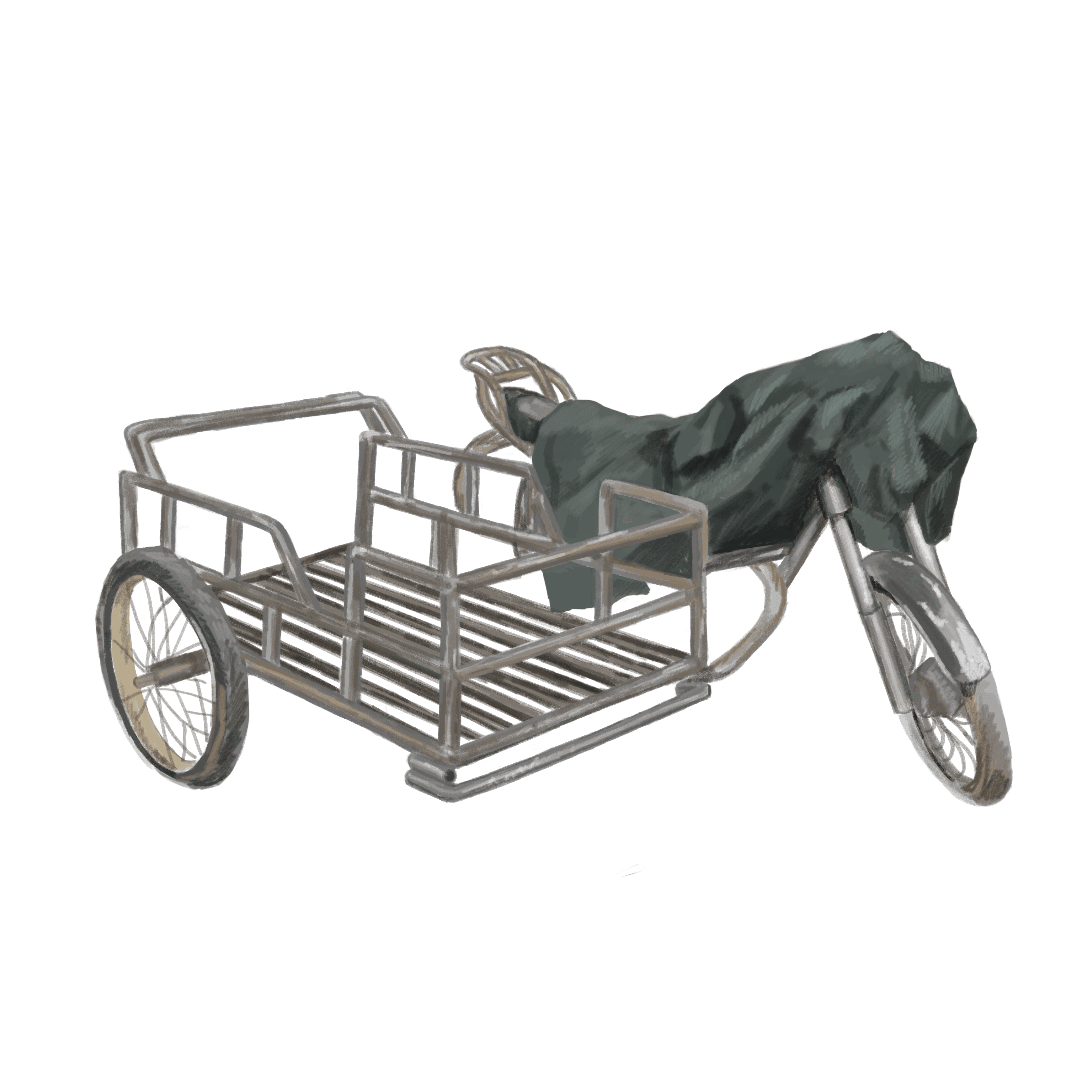
In the mountain communities of Dampay, Palauig, giving birth is more than labor; it is a race against distance, rough terrain, and scarce transportation. For many Aeta mothers, hospitals are hours or even days away, forcing them to rely on family, midwives, and sheer determination to safely bring new life into the world.
In Palauig, Zambales, the absence of a licensed birthing facility forces Aeta mothers to give birth at home or wherever they happen to be during labor, despite the strict No Homebirth Policy. Their stories reveal a harsh reality where safety regulations collide with geographic isolation, limited resources, and the resilience of midwives who serve as the first line of maternal care.
In the remote mountains of Palauig, Zambales, midwives are more than healthcare providers. They are lifelines for Aeta mothers, traveling across rough terrain to deliver babies, offer guidance, and provide comfort in the absence of hospitals. Their dedication, compassion, and shared heritage build trust that ensures no mother faces childbirth alone.
© Copyright 2026 Giting Ng Duyan. All Rights Reserved