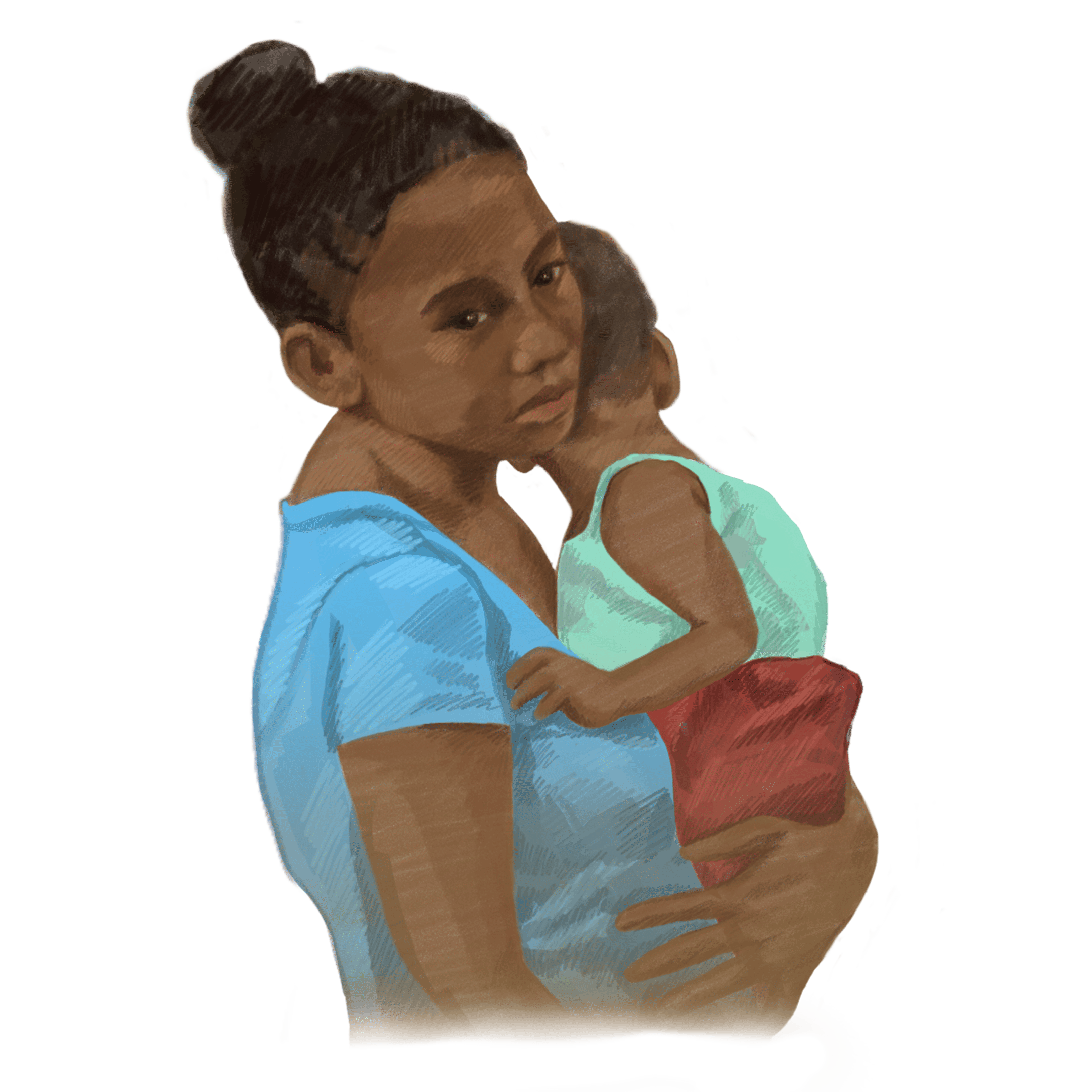
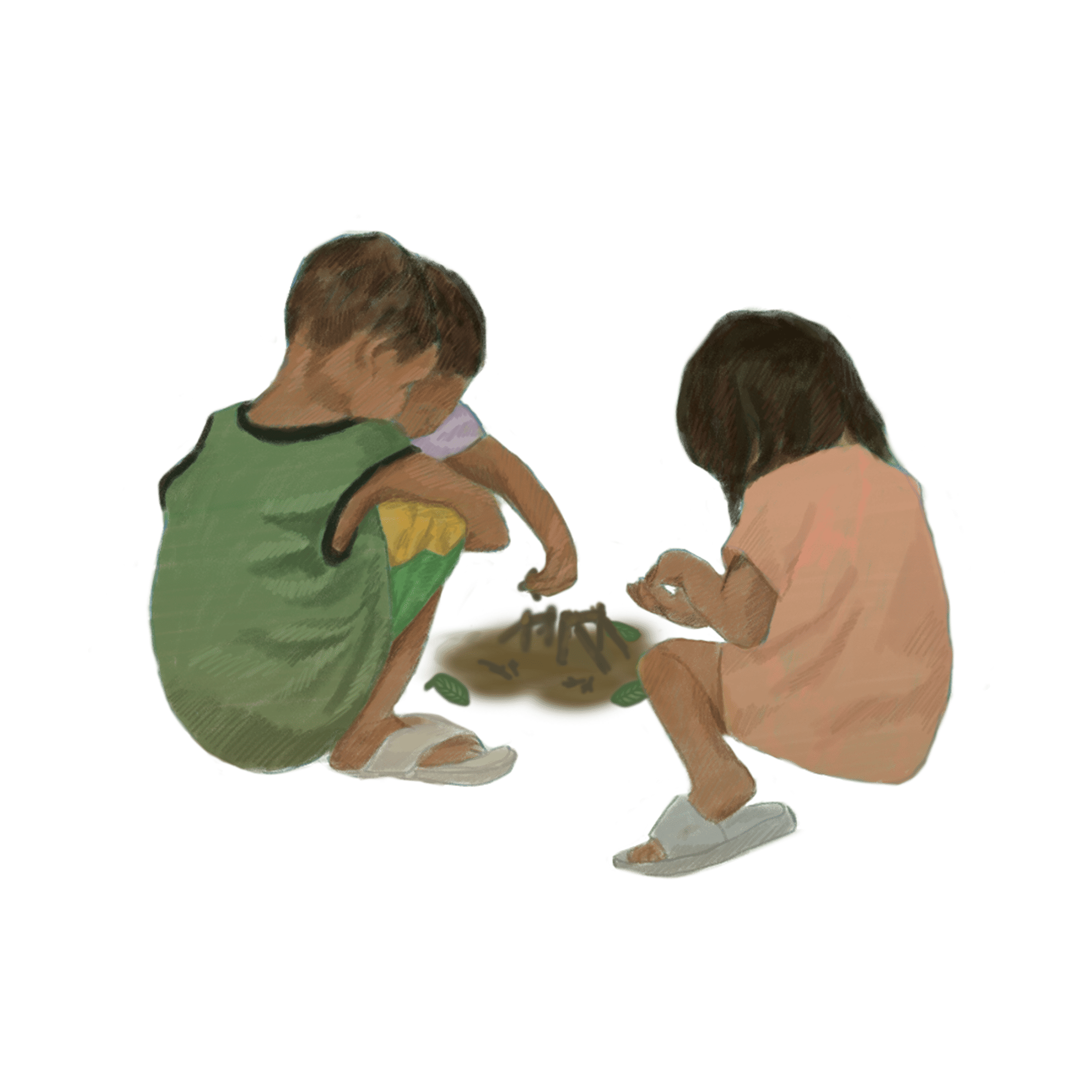
The docuseries explores how the No Homebirth Policy affects the maternal experiences of Aeta mothers in Palauig, Zambales. Introduced in 2008, the policy encourages women to give birth in health facilities with skilled professionals to improve maternal and infant safety. However, structural barriers such as distance, financial limitations, and limited healthcare access continue to shape how women experience childbirth.
Through the stories shared in the docuseries, the experiences of Aeta mothers reveal the complex realities behind maternal healthcare policies. While the No Homebirth Policy has contributed to improving maternal safety, their narratives highlight that it does not fully address deeper challenges such as inaccessible facilities, travel difficulties, and gaps in healthcare support.

By presenting these lived experiences, the project aims to deepen understanding of indigenous maternal health struggles. The stories ultimately show that improving maternal healthcare requires more inclusive systems that consider the realities of remote and indigenous communities, while also encouraging dialogue and youth-driven advocacy through digital platforms.
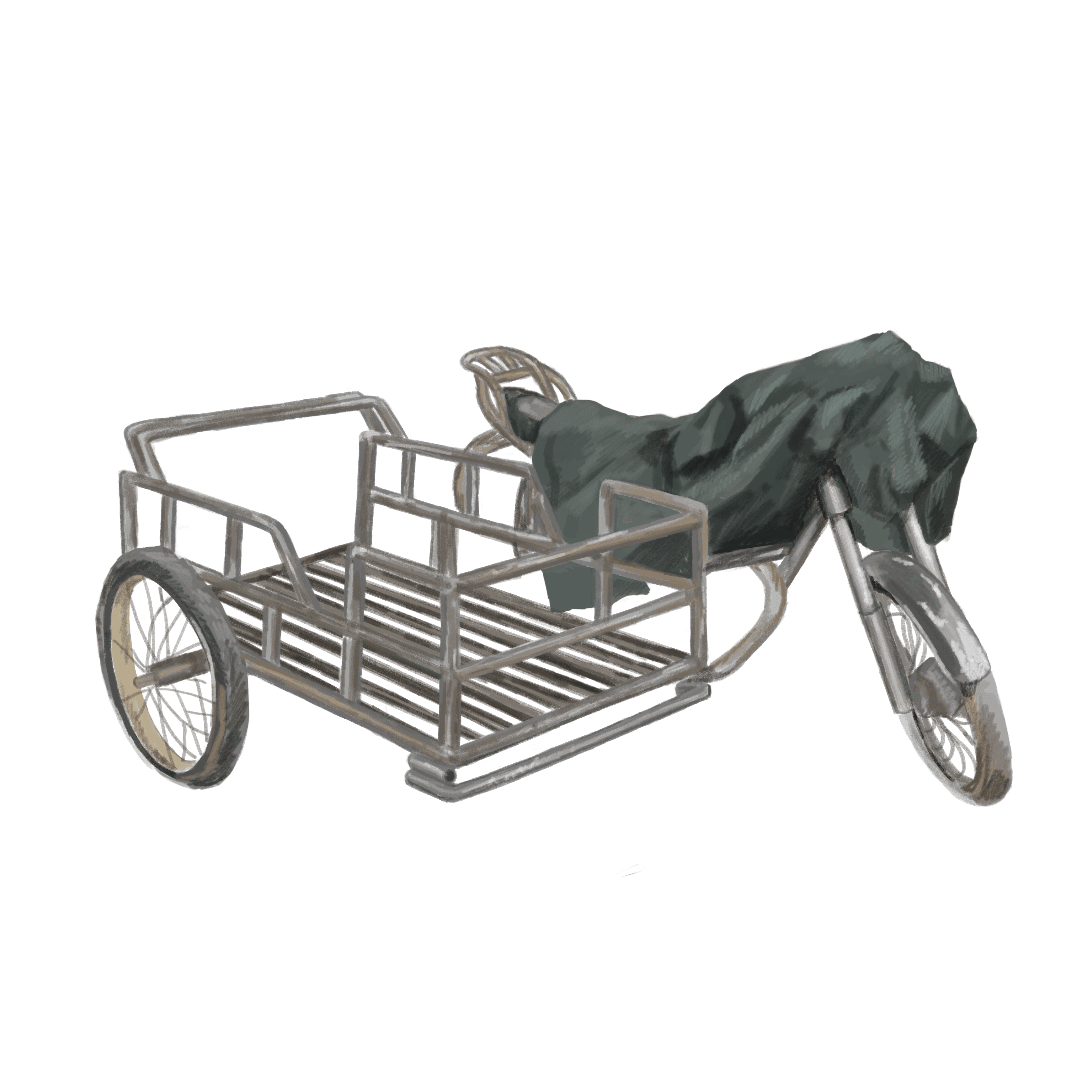
Travel from Sitio Dampay, Brgy. Salaza to the Palauig Rural Health Unit (RHU) takes about 1 hour, and up to 1.5 hours during traffic. From the RHU, the nearest hospital in Iba, Zambales is about 20 minutes away.
Aeta mothers live in mountainous areas, which makes access to healthcare challenging. Although there are monthly checkups for pregnant women, there are instances when the distance prevents them from traveling down the mountain, causing complications for both mother and baby.
Since 2015, the Palauig Rural Health Unit has had no operational birthing clinic due to licensing requirements, requiring mothers to travel to hospitals in nearby municipalities such as Iba, Zambales or Candelaria, Zambales for delivery.
The Aeta community was chosen as the focus of the project because indigenous mothers are among those most affected by these conditions. Research by Jose, J. et al. (2019) found that many Aeta mothers still give birth at home, often assisted by traditional birth attendants or relatives, due to geographic isolation, limited resources, and strong cultural traditions surrounding childbirth.
Get to know the people who supported the production and made connecting with the community possible.
Copy, paste, and keep moving – your project stays on track and on time.
All components use the latest Elementor container system – no legacy sections or clunky column structures.
Every component follows the same spacing, structure, and styling rules. Making your entire site feel polished, professional, and consistent.
Designed to be a neutral starting point, so you can bring your own brand without wrestling pre-made styles.
© Copyright 2026 Giting Ng Duyan. All Rights Reserved